Experiences of Women Enduring Continuous Coercive Control in the Irish Family Courts
These are women's voices taken from Eabha O'Farrell's dissertation, Trinity College Dublin. Eabhas used SiSi's research into Private Family Law Assessments in Ireland to inform her analysis of ongoing Coercive Control in the Irish Family Courts. These accounts centre the lived experience of women involved in the Irish Courts system, documenting, in women’s own words, how court processes, child welfare reporting (including Section 32/47 reports), access arrangements, and responses from services can affect safety, wellbeing, and children’s welfare. By presenting these statements together, the section highlights recurring themes raised by participants, such as feeling unheard, blamed, re-traumatised, or left without protection, and makes visible the human impact behind what can otherwise read as procedural or policy language.
The courts as a continuation of abuse
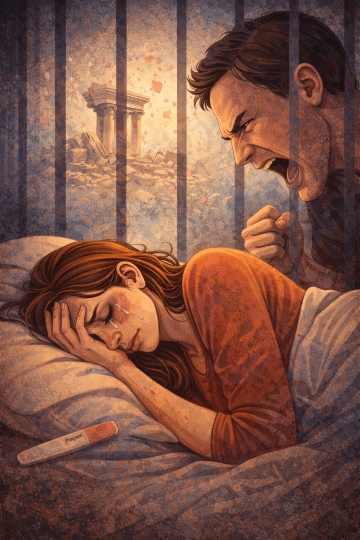
When women spoke about family court proceedings, many described the process as something that didn’t interrupt abuse — but reshaped it.
“[It] strengthened the fathers position and his controlling nature.”
“[It] legally enforced some of the abuses that he had been attempting to inflict on us all along in terms of always having a presence to coerce, enforcing endurance, allowing for neglect.”
“In my personal experience, the rights of the father are far superior to the rights of a child to be safe and protected and the voice of the mother who is holding it altogether simply has no place in these proceedings.”
“I was silenced through the incompetence of an assessor and my children put at further risk.”
“I was silenced through the incompetence of an assessor and my children put at further risk.”